





Starting a street food business in any EU country involves meeting specific food safety and regulatory requirements, one of the most important being the proper registration of your food truck with the local health authority.
This step is essential for anyone planning to purchase and operate a food truck legally within the European Union.
In accordance with Regulation (EC) No 852/2004, every food business operator, including mobile units like food trucks, must register their activity with the competent local authority before starting operations. This is not a passive certificate issued by an external body, but a mandatory declaration of compliance submitted by the business owner.
Each EU country follows the same regulatory principles, but local procedures and terminology may vary:
- In Italy, this process is done via the SCIA sanitaria;
- In France, it’s known as a déclaration d’activité auprès de la DDPP;
- In Germany, the process involves Anmeldung beim Lebensmittelüberwachungsamt.
In the UK (while no longer in the EU), similar principles apply through food business registration with local councils.
Why registering your Food Truck is important
Registering a food truck is crucial to operate without facing unexpected issues.
There are several reasons:
It’s a legal obligation
All mobile food businesses must be officially registered before beginning to trade. Operating without registration is considered illegal and can result in penalties, including fines or business closure.
It ensures food safety compliance
Registration confirms that your food truck meets essential hygiene and food safety requirements, including:
- cleanable, safe working environments;
- proper food storage and temperature control;
- sanitary surfaces and equipment;
- trained staff applying HACCP principles.
All this significantly reduces risks of contamination, food poisoning, or other food-handling issues.
It enables participation in events and collaborations
Without proof of registration, you won’t be eligible to join public markets, festivals, or trade events. Organisers and partners will expect documentation that proves your compliance.
It enhances consumer trust
A certified and compliant food truck shows professionalism and care for customer safety, helping to build a strong, trustworthy brand image.
What your Food Truck must comply with
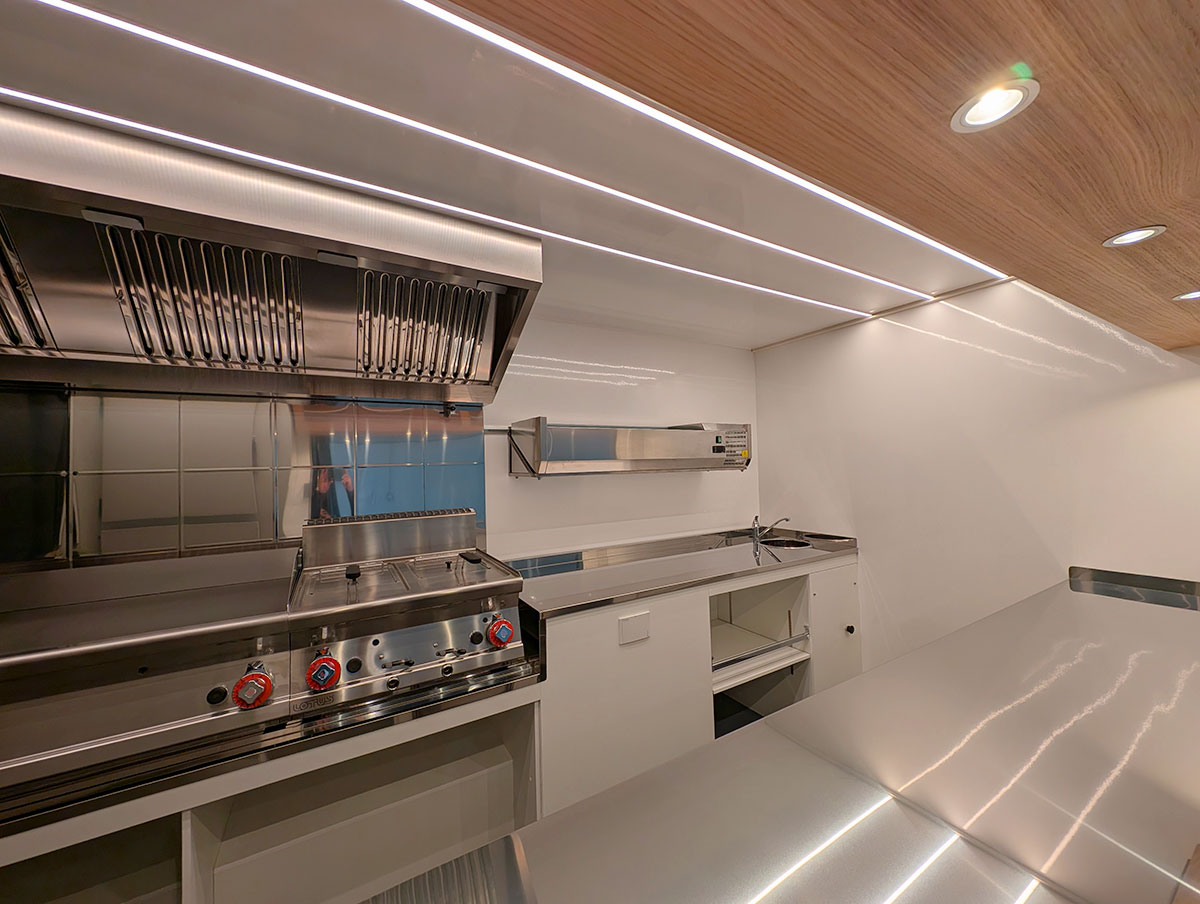
Before you can register your food truck as a food business, the vehicle must be built in compliance with EU regulations. Key requirements include:
Easy-to-clean, durable, and washable surfaces.
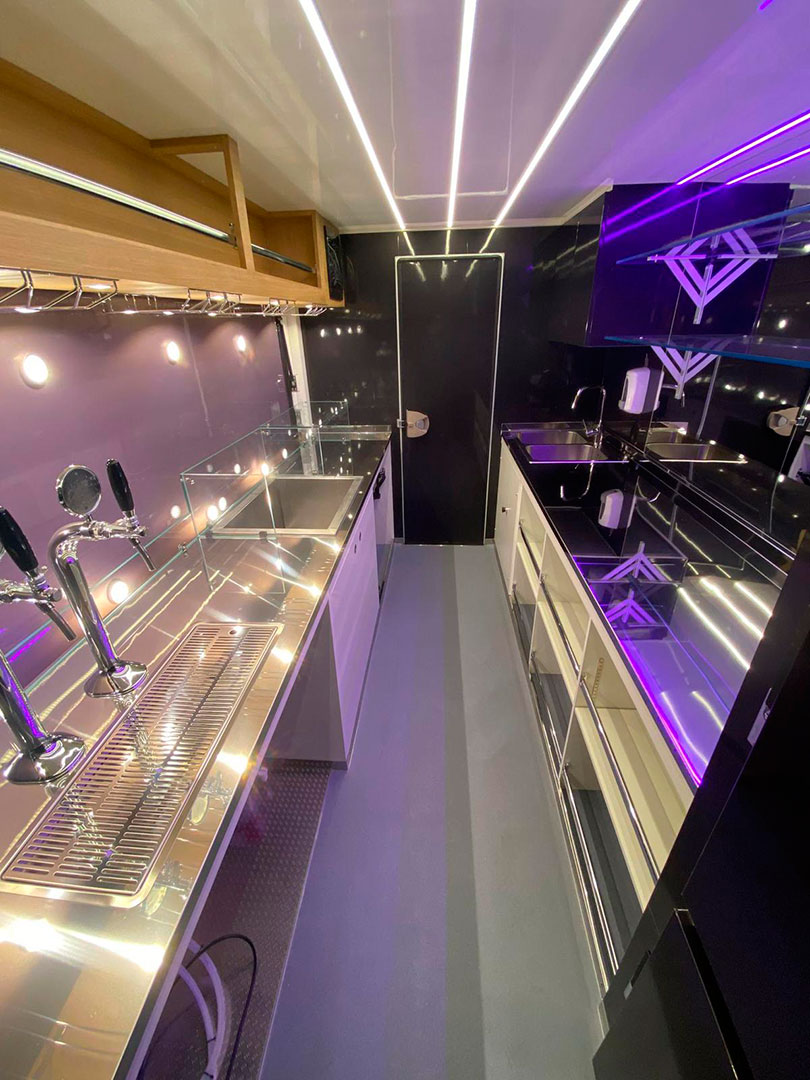
Sinks with potable water for hand and equipment washing.
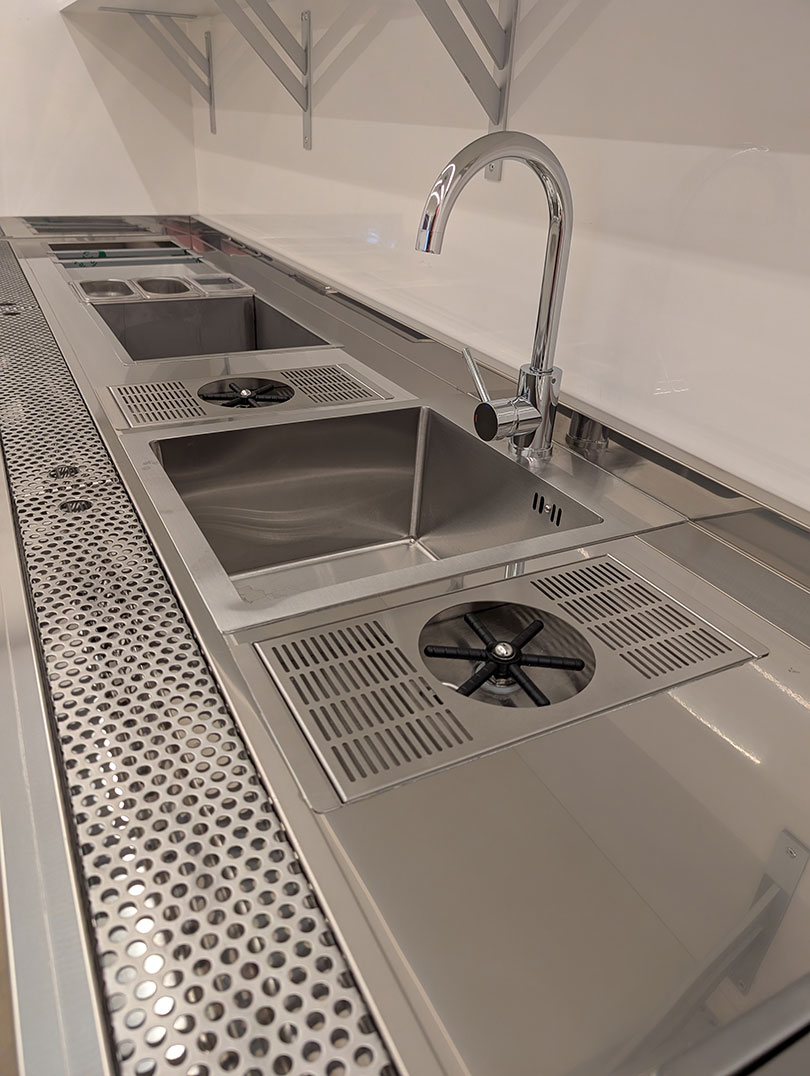
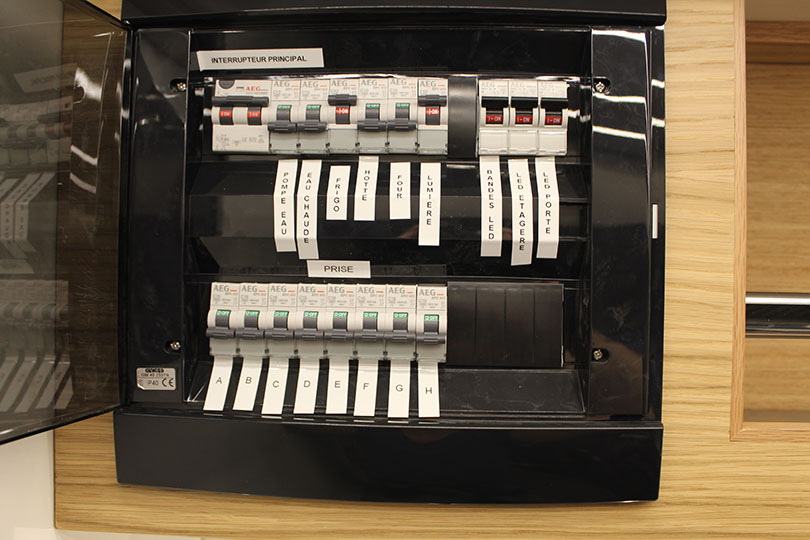
Compliant electrical and plumbing systems with wastewater disposal.
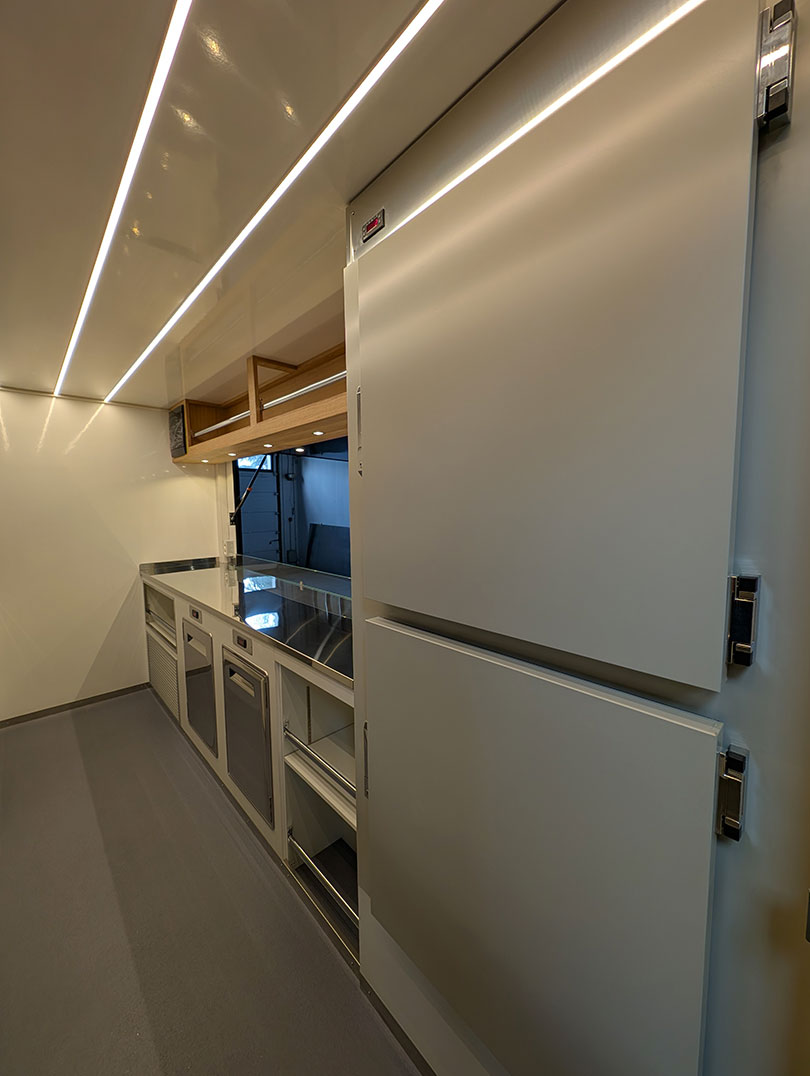
Refrigerators or thermal containers maintaining correct food temperatures, with visible thermometers.
Antibacterial and anti-slip flooring.
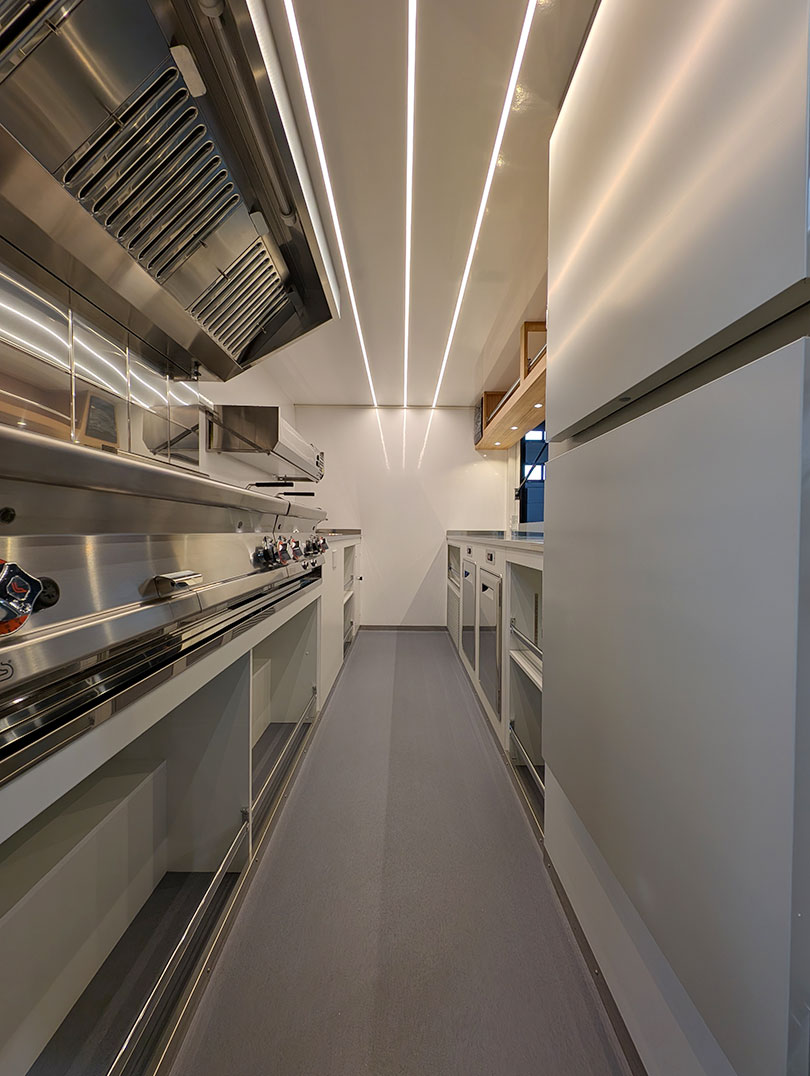
Ventilation hood covering all cooking elements.
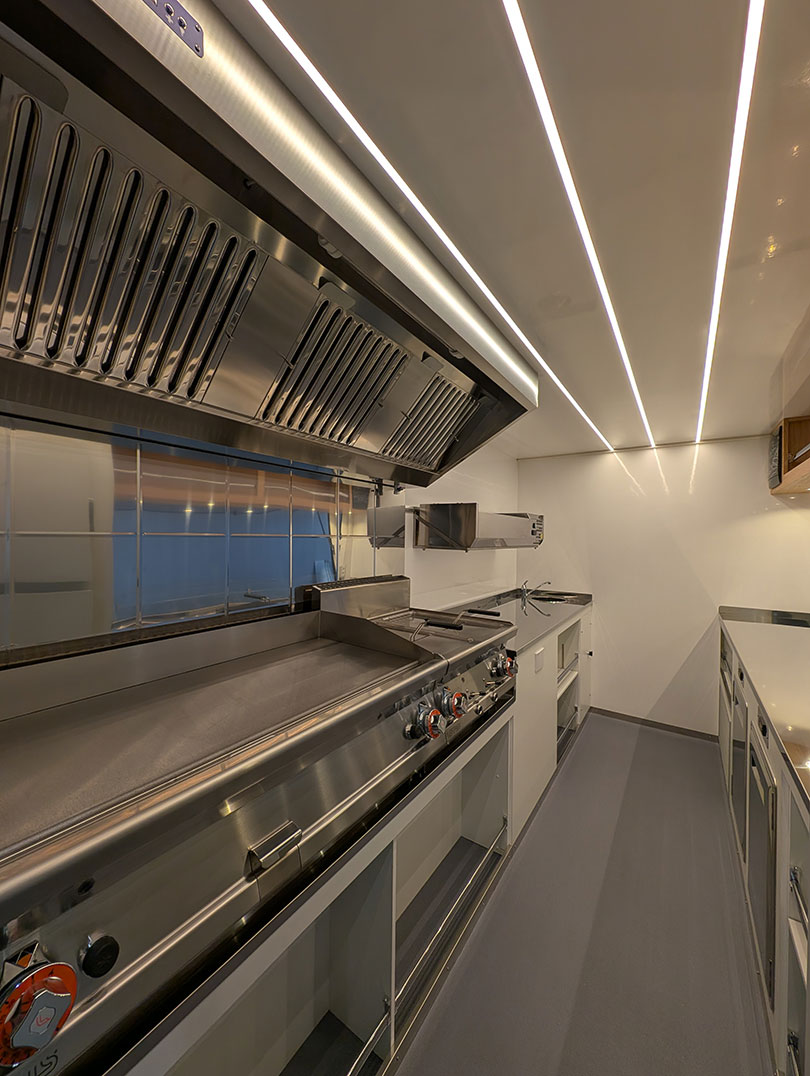
Efficient internal layout to prevent cross-contamination.
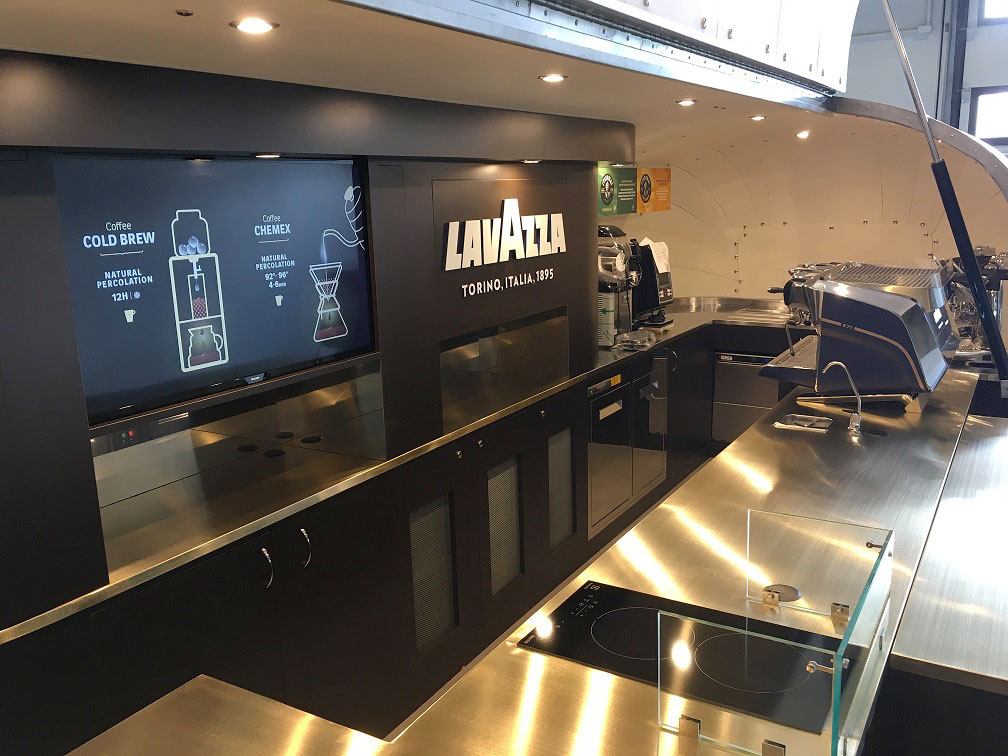
Internal livability with at least 2 meters height between floor and ceiling.
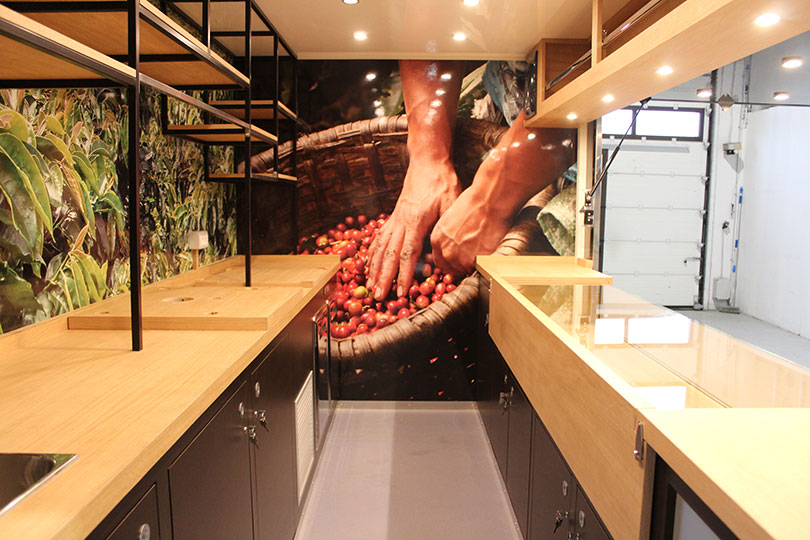
These elements are essential to pass inspections and maintain food safety throughout your operations.
The role of the Manufacturer
Behind every successful food truck lies serious and structured work, starting from vehicle construction to obtaining permits needed to operate legally.
A specialized manufacturer thoroughly understands industry needs and designs food trucks already compliant with European sanitary and technical regulations.
While compliance with technical-construction rules impacts the food truck’s approval, meeting hygiene regulations is fundamental for handling food.
The manufacturer is responsible for:
- designing and constructing the truck in compliance with EU hygiene and technical standards;
- ensuring conformity with Regulation (EU) 2018/858 for roadworthiness;
- installing certified electrical, gas, and water systems;
- using food-grade materials in line with Regulation (EC) No 1935/2004.
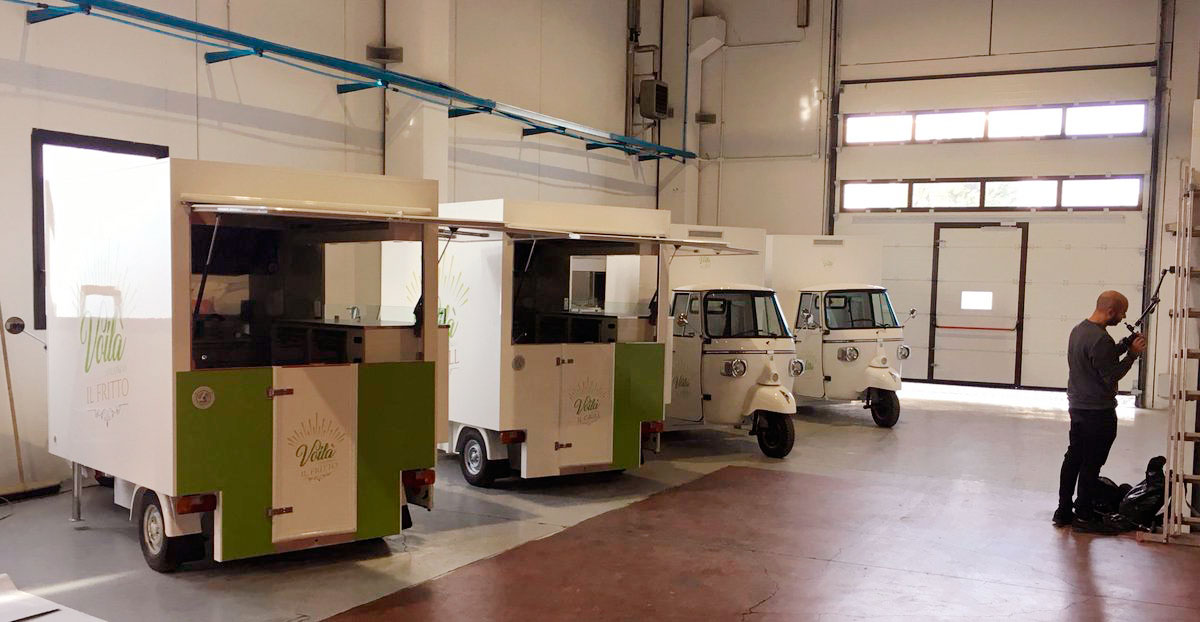
Vehicle approval is handled directly by the food truck manufacturer.
Once the truck is delivered, it is the responsibility of the owner to register the vehicle as a food business with the local health authority, following the national procedure applicable in the country of operation.
In the European Union, starting a food truck business requires coordination between the manufacturer, who delivers a compliant vehicle, and the operator, who must complete the local registration and obtain any necessary licences or permits before trading.
Attempting to operate with a non-compliant or self-converted vehicle can lead to serious health risks and legal consequences, including the potential seizure of the truck or shutdown of your business.
By partnering with an experienced manufacturer like VS Veicoli Speciali, you’ll receive:
- a food truck built to EU hygiene standards, ready for registration;
- technical plans and documentation required by local authorities;
- guidance on configuration and operational layout;
- ongoing support, even after delivery.
Your vehicle will be compliant. Your responsibility is to register it. Let’s build your project together.


