







Running a food truck doesn’t just mean “making sandwiches wherever people are.” It mainly means knowing how to plan a full year of activities, making the most of the opportunities each season offers and mitigating weaker periods.
In this article we’ll cover:
- where to use a food truck in different seasons
- how to adapt menu and service
- a concrete example of annual planning for a food truck
This way you can turn your vehicle into a real business machine, 12 months a year.
Food Truck for All Seasons: What It Really Means
“Food truck for all seasons” doesn’t mean working the same way all year, but rather:
- changing locations based on foot traffic
- adapting the menu (dishes, beverages, food cost)
- adjusting hours and prices
- leveraging events and seasonal opportunities
The key is to think in terms of commercial seasons, not just climate seasons: there are high-revenue periods even in winter (Christmas markets, corporate events, indoor fairs), and “dead” periods even in summer if you don’t plan a good commercial strategy for your food truck.
Spring: The Season of Renewal (March–May)
In spring people gladly return outdoors. It’s the ideal time to get known and test new formats.
Where to use your food truck in spring:
- Outdoor sports events (races, tournaments, cycling tours, running events);
- City parks and green areas during weekends;
- Village fairs, spring fairs, local festivals;
- Company courtyards for quick employee lunches (work rhythms pick up again).
How to adapt the menu:
- Light but tasty dishes: bowls, large salads, gourmet but not heavy sandwiches;
- Refreshing drinks: juices, smoothies, special soft drinks;
- Some warm comfort options for cooler days (soups, hot sandwiches).
Spring planning strategy:
-
In January/February start booking events for March–May
-
Use spring as a testing ground: try new dishes, check service times, fine-tune staff and truck setup
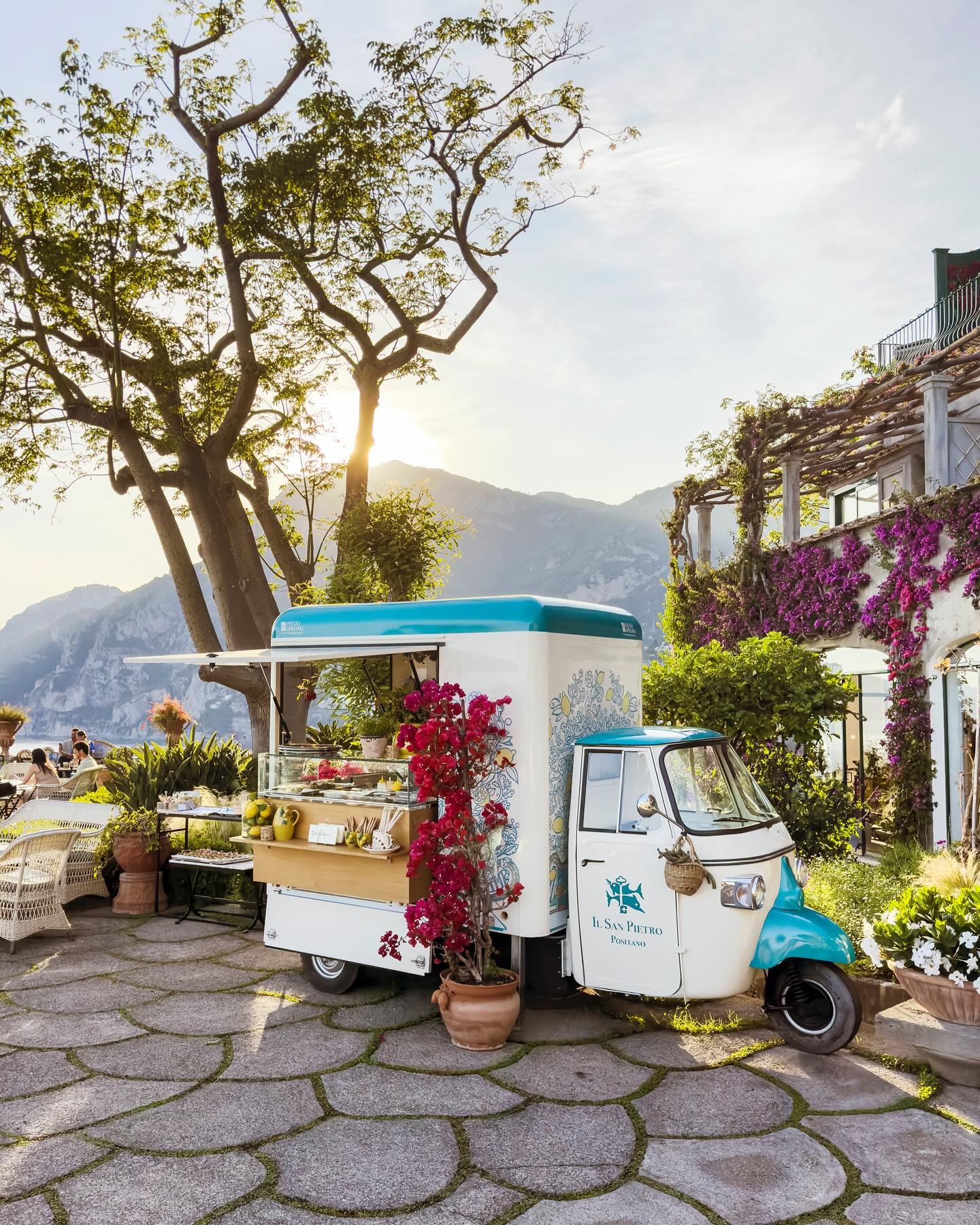
Spring objective: get known, build a customer base, and collect data (revenue, best-selling dishes, peak hours).
Summer: Make the Most of the High Season (June–August)
Summer is usually the strongest season for a well-positioned food truck.
Where to use your food truck in summer:
- Tourist areas (coast, lakes, mountain resorts)
- Promenades, squares, historic centers in the evening
- Festivals, concerts, street food festivals, nighttime events
- Campsites and tourist villages (seasonal or weekly contracts)
How to adapt the menu:
- Fast-serving, high-volume dishes (e.g., burgers, pizza slices, fried foods, tacos, ethnic street food)
- Strong focus on beverages and margins: beer, soft drinks, non-alcoholic cocktails
- Combo offers (sandwich + drink) to increase average ticket and speed service
Summer planning strategy:
- Plan the summer season by March–April: choose 2–3 main locations and define the event calendar (festivals, fairs, music events)
- Plan work shifts to sustain long hours (often late-night service)
- Carefully check electrical systems and refrigeration, as summer temperatures and loads are critical
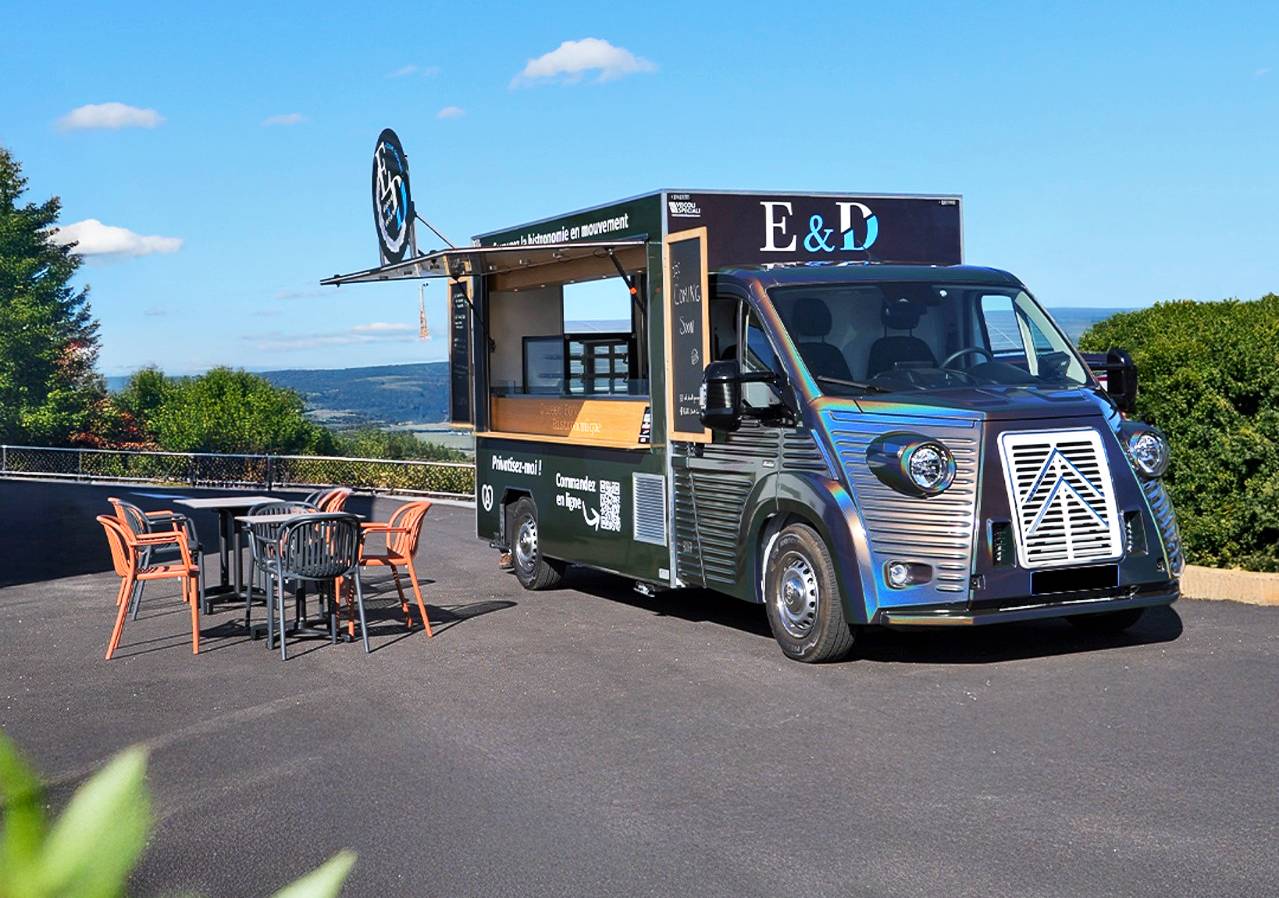
Summer objective: maximize revenue and strengthen your brand, also leveraging social media (photos, reels, stories from scenic spots).
Autumn: Stability, Companies, and Fairs (September–November)
In autumn tourist crowds disappear, but foot traffic becomes more stable: work resumes, schools reopen, fairs and conferences start up again.
Where to use your food truck in autumn:
- Company parking lots for regular lunch breaks (1–3 times a week)
- Trade fairs, B2B events, conferences
- Food & wine events (harvests, wine fairs, farmers’ markets)
- Shopping centers as an outdoor or event-related food option
How to adapt the menu:
- Warmer, more substantial dishes but still “smart”: hot sandwiches with seasonal ingredients (pumpkin, mushrooms, cheeses), regional/autumn street foods
- Workday lunch menu: 2–3 daily specials, 1 vegetarian option, 1 quick dessert (brownie, cake, artisanal cookies)
Autumn planning strategy:
- Use autumn to secure recurring deals with companies (monthly/quarterly contracts) and join trade fairs as a catering service or brand showcase
- Start planning the Christmas season (markets, corporate events, decorated squares)
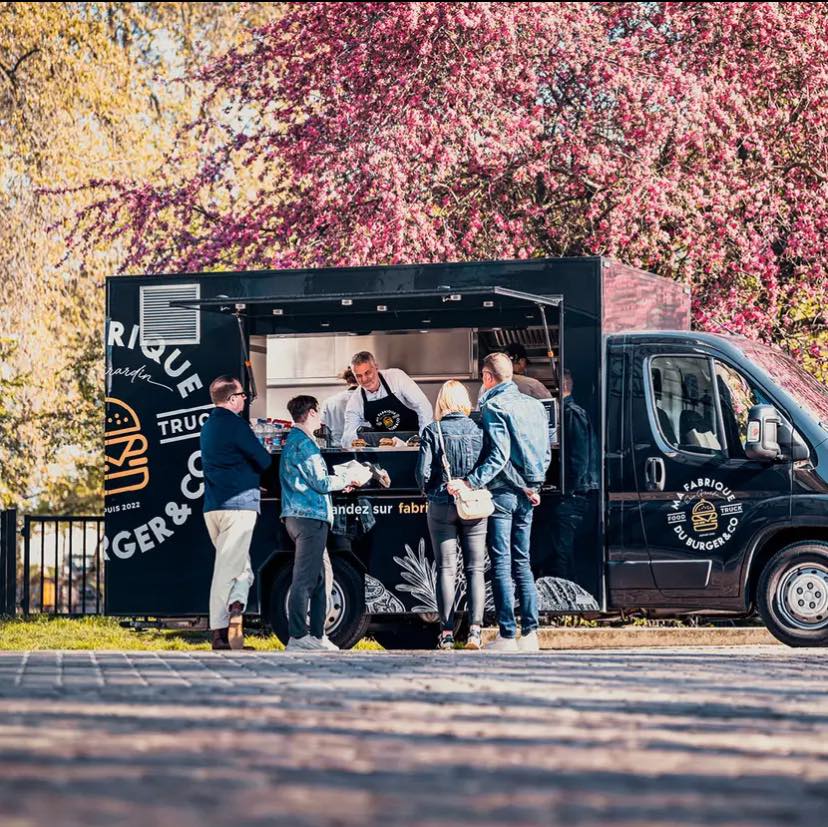
Autumn objective: stabilize income with recurring contracts and periodic fixed locations.
Winter: Don’t Stop—Change Strategy (December–February)
Many think that food trucks in winter “die”. In reality, the type of work and hours simply change.
Where to use your food truck in winter:
- Christmas markets, holiday villages, ice skating rinks;
- Corporate events (Christmas parties, openings, open days);
- Indoor fairs and exhibitions;
- Private locations for booked events (birthdays, parties, mobile catering).
How to adapt the menu:
- Comfort-oriented hot dishes: soups, hot sandwiches, “one-pot” hot meals, hot chocolate, mulled wine, aromatic hot drinks;
- “Winter specials” with high margins and premium perception.
Winter planning strategy:
- In September–October secure spaces at Christmas markets and book corporate and private catering events
- Reserve part of winter for scheduled maintenance, system upgrades, new spring menu development, and review of annual financial data
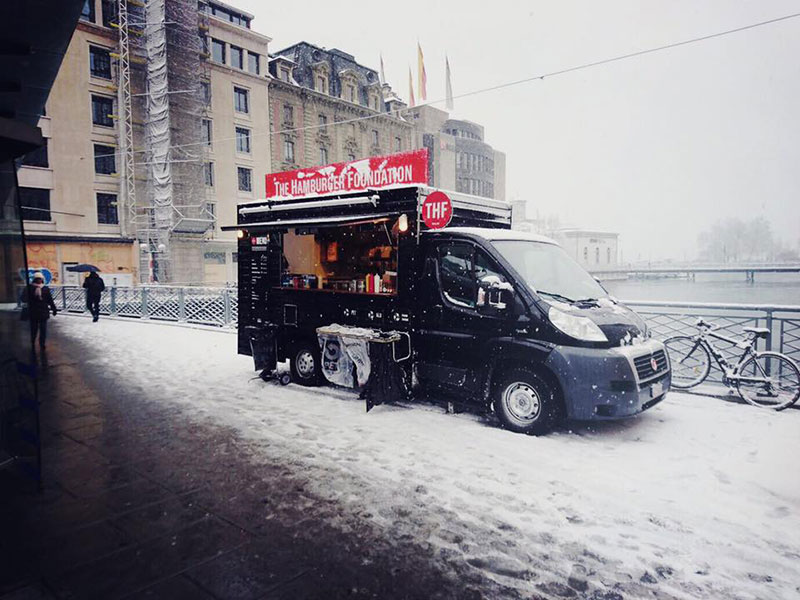
Winter objective: don’t stop—focus on high-margin events and use the season to prepare for the next year.
Practical Example: Planning a Full Year with a Food Truck
Let’s imagine a food truck specializing in burgers and Italian street food.
January–February:
Attend 2–3 indoor events (fairs, indoor sports events, food exhibitions)
Focus on scheduled corporate events (on-demand catering)
Dedicate 1–2 weeks to maintenance, internal layout revision, menu and price updates
Plan for spring and summer: gather info, contact municipalities, organizers, and festival committees
March–May (Spring):
Fixed presence every Saturday and Sunday in a large city park
Attendance at sports events (marathons, bike races, school events)
Test new spring dishes, monitoring sales and customer feedback
Strong social media activity: showcase the “return to the streets” after winter, present the truck, announce events
June–August (Summer):
Move to a tourist area (e.g., seafront or lake) with evening presence 5–6 days a week
Participate in 2–3 street food / music festivals planned well in advance
Optimize service for high volumes (staff workflow, mise en place prep, simplified menu focused on top sellers)
September–November (Autumn):
Agreements with 2 companies for lunch service (e.g., Tuesday/Thursday company A, Wednesday company B)
Attendance at 1–2 food/wine events (wine fairs, autumn festivals)
Start contacting Christmas market organizers and companies for year-end events
December:
Presence at a Christmas market for the whole month or in 10–15-day blocks
Evening corporate events on reservation (set-menu catering)
Annual data collection: working days per month, revenue by location, product margins, evaluation of most profitable seasons
Five Practical Tips for Planning All Four Seasons
1. Create an annual calendar: at the beginning of the year, map out periods of intensive work, moderate work, and maintenance/technical downtime.
2. Book key events early: the best spots fill up months in advance—act early.
3. Diversify locations: public events, companies, private clients, fairs—to reduce risk and stabilize revenue.
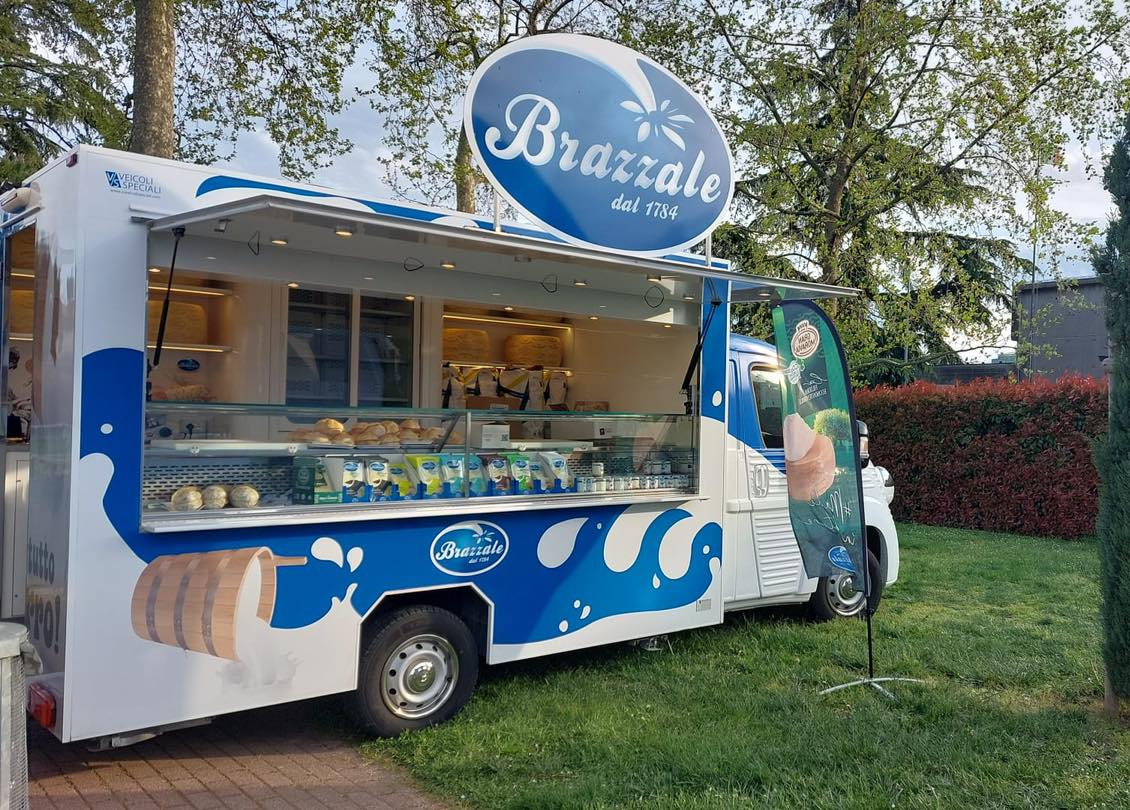
4. Design your food truck for year-round use: thermal insulation, adequate power system, ergonomic layout, well-planned storage.
5. Analyze data at the end of each season: which locations and dishes worked best, which days/hours performed better—use this to guide future planning.
A food truck for all seasons doesn’t follow the weather, it follows business opportunities.
With good planning: in spring you get known, in summer you maximize revenue, in autumn you build stability, and in winter you focus on high-margin events and prepare for the new year.


