






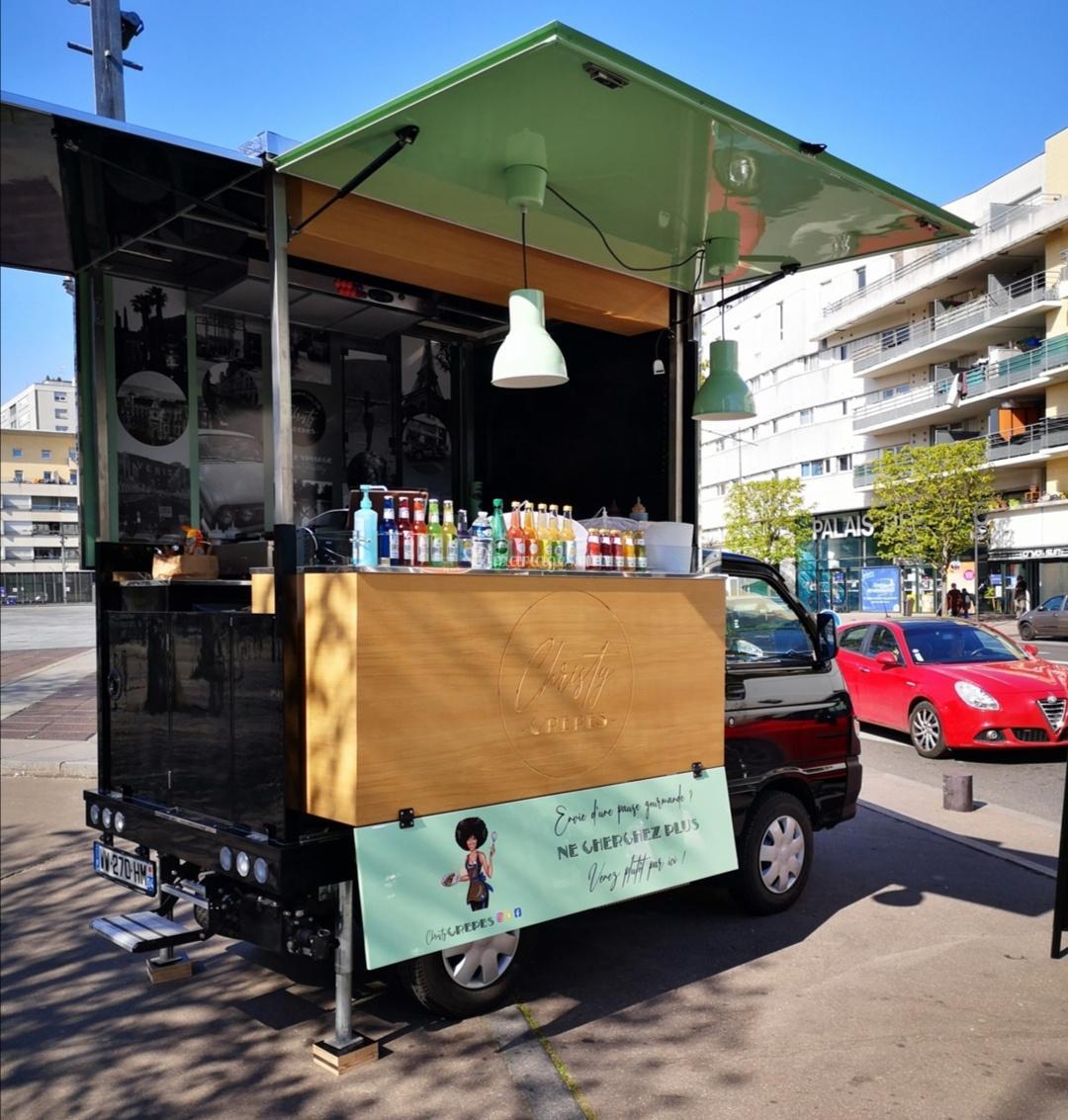
A clear guide (with schematic notes) to understand what really impacts margins – by VS Veicoli Speciali
Running a food truck is not just about cooking and serving – it’s about running a business. When you know your costs well – and how to keep them under control – your truck runs smoothly, and your margins improve. In this article, we’ll go through all the main expenses, with concrete examples and a small toolbox to increase profitability.
In short: understanding your costs means fair pricing, fewer surprises, and higher margins.
1) Fixed costs of a food truck: what you pay anyway
Fixed costs are expenses you bear even when the truck is not operating. They are necessary for your business to exist: the vehicle, permits, insurance, accounting. They must be planned and kept lean: every euro saved here lowers your break-even point.
- Lease/financing payment or depreciation of the setup
- Insurance
- Road tax
- Accountant
- POS service
- Storage/garage (if you don’t have your own space to park the truck)
- Basic marketing: website, domain, minimal promotion
- Scheduled vehicle maintenance and annual gas system inspection
In short: fixed = costs of business existence. Goal: streamline and forecast them.
2) Variable costs of a food truck: what grows with the work
Variable costs increase the more you work: raw materials, staff, consumables, energy. These are the costs that directly impact margins day by day. Here you need method, smart purchasing, and a well-designed menu.
- Raw materials (Food Cost): ingredients and beverages.
- Packaging and consumables: containers, cups, napkins, detergents.
- Energy and fuel: LPG or methane for cooking, electricity (grid/generator/inverter), fuel, tolls.
- Operational staff: onboard crew and/or support staff.
- Payment commissions: POS, wallet, event/delivery platforms.
In short: variable = what you spend to produce and sell. This is where margins are won.
Useful benchmark parameters (adapt to your format):
- Food Cost: 25–30% of revenue
- Labor cost: 20–30%
- Consumables + utilities: 3–7%
- Commissions: 1–2%
- Marketing: 2–5%
3) A realistic monthly example
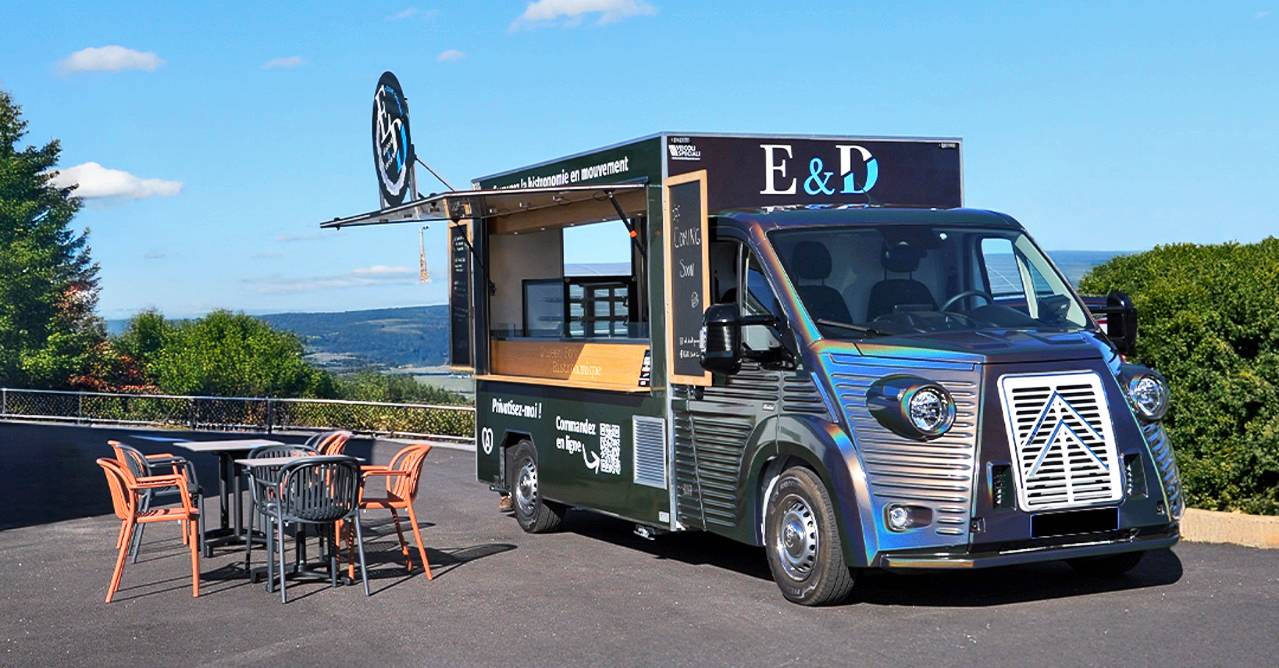
Scenario: medium-sized food truck, 22 operating days/month, average revenue €1,200/day (total €26,400/month). Team: 2 onboard staff.
Fixed monthly costs (with installment):
- Lease/financing payment: €1,200
- Insurance: €150
- Road tax (averaged monthly): €30
- Storage: €150
- Connettività + POS + gestionale: €65
- Connectivity + POS + management software: €65
- Accounting/administration: €120
- Scheduled maintenance (accrual): €150
- Basic marketing: €200
Total fixed costs: €2,065
Variable monthly costs:
- Raw materials (25% of €26,400): €6,600
- Operational staff (2 × €100 × 22 days): €3,960
- Energy/fuels (~€25 × 22 days): €550
- Packaging/consumables (~€20 × 22 days): €440
- POS commissions (1.5% of €26,400): €396
Total variable costs: €11,946
Economic result (with installment): Revenue €26,400 − Total costs €12,389 = Operating margin €14,011 (~54%)
In short: realistic figures; premium events and big cities can raise both revenues and some costs.

4) Break-even point without complicated formulas
Break-even is the moment when you cover all costs and start earning. With the above figures, variable costs are ~45%.
With fixed costs of €2,065, you need about €4.7–4.8k/month to break even; with leaner fixed costs (~€1.0–1.1k) you only need ~€2.1–2.2k/month.
In short: the leaner the fixed costs, the lower the threshold to turn a profit.
5) Ten practical moves to increase profit margins
1. Menu engineering: promote high-margin dishes, reduce or eliminate time-consuming items
2. Prep & workflow: U-shaped layout, short paths, no downtime
3. Purchasing: contracts and volumes, equivalent alternatives, inventory rotation
4. Dynamic pricing: different price lists for street trade, premium events, private gigs
5. Payments: encourage electronic payments but negotiate fees; set minimum order at events
6. Preventive maintenance: hood filter and fridge motor cleaning, seals = fewer breakdowns
7. Calendar planning: mix secure dates + high-yield seasonal events
8. Brand & reputation: pro photos, uniforms, product storytelling
9. Management control: weekly review of Food Cost and labor cost
10. Efficient setup: professional equipment with optimized consumption, layout for speed
In short: 3 key areas – menu, process, purchasing. Plus one foundation: maintenance and data.
6) Why the right setup saves (and earns) money
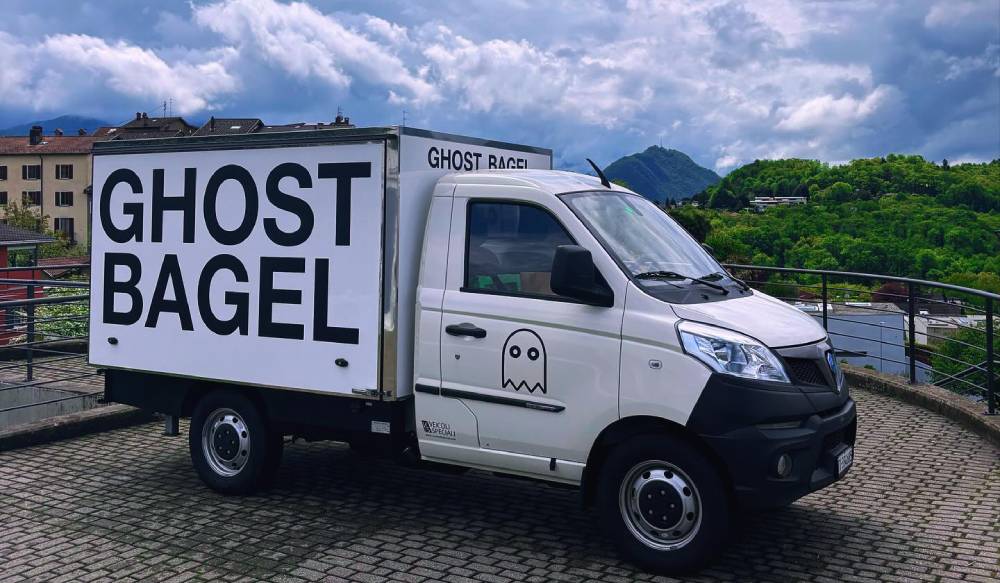
The choice of food truck model depends on your product and usage context. For example, an Ape V-Curve can do the same job as a larger truck if the product fits a small space (e.g. coffee, beer, ice cream). For more complex menus (burgers, fried foods), a larger truck is essential.
A well-designed food truck reduces consumption, waste, downtime, and boosts efficiency.
With VS Veicoli Speciali, we build CE-compliant and sanitary-certified setups, tested and tailored to production flow.
Result: faster service, more sandwiches served, better margins.
In short: design = efficiency. Efficiency = margins.
VS helps you develop a successful street food project
The secret is not spending less, but spending smart: knowing where the money goes and making your truck work under the best conditions. With a thoughtful setup and constant cost control, a food truck becomes a stable and scalable business.
Do you want a personalized quote with cost simulation based on your menu and event calendar? The VS Veicoli Speciali team can prepare a numerical plan and a tailor-made setup.
In short: moving from generic figures to your actual numbers makes all the difference.


